Introduction
Cryptocurrency provides unprecedented control over personal finance, but with it comes the responsibility of securing digital assets. Unlike traditional bank accounts, cryptocurrency wallets are self-custodied, meaning the owner alone is responsible for access and security. Improper login procedures, phishing attacks, or malware can lead to permanent loss of funds.
Trezor hardware wallets provide a highly secure way to store and manage cryptocurrency by keeping private keys offline. The Trezor login process is designed to ensure that only authorized users can access the wallet while safeguarding assets during all transactions. This guide offers a complete overview of logging in to a Trezor wallet, managing accounts, and best practices for maintaining security.
Why Secure Login Matters
Trezor login is not just about entering a PIN. It is a critical part of protecting your cryptocurrency. Key benefits of a secure login include:
Ensuring only authorized users can access the wallet
Requiring physical confirmation for transactions to prevent unauthorized transfers
Protecting private keys from malware, phishing, or other cyber threats
By following proper login protocols, users retain full control of their assets while minimizing the risk of unauthorized access or theft.
Step 1: Preparing for Trezor Login
Before attempting to log in, it is important to prepare:
Use a trusted computer or mobile device to connect your Trezor wallet
Make sure Trezor Suite or a compatible wallet interface is installed and up to date
Keep your recovery seed safely stored offline in case restoration is needed
This preparation ensures a secure login environment and prevents common errors during access.
Step 2: Launching Trezor Suite
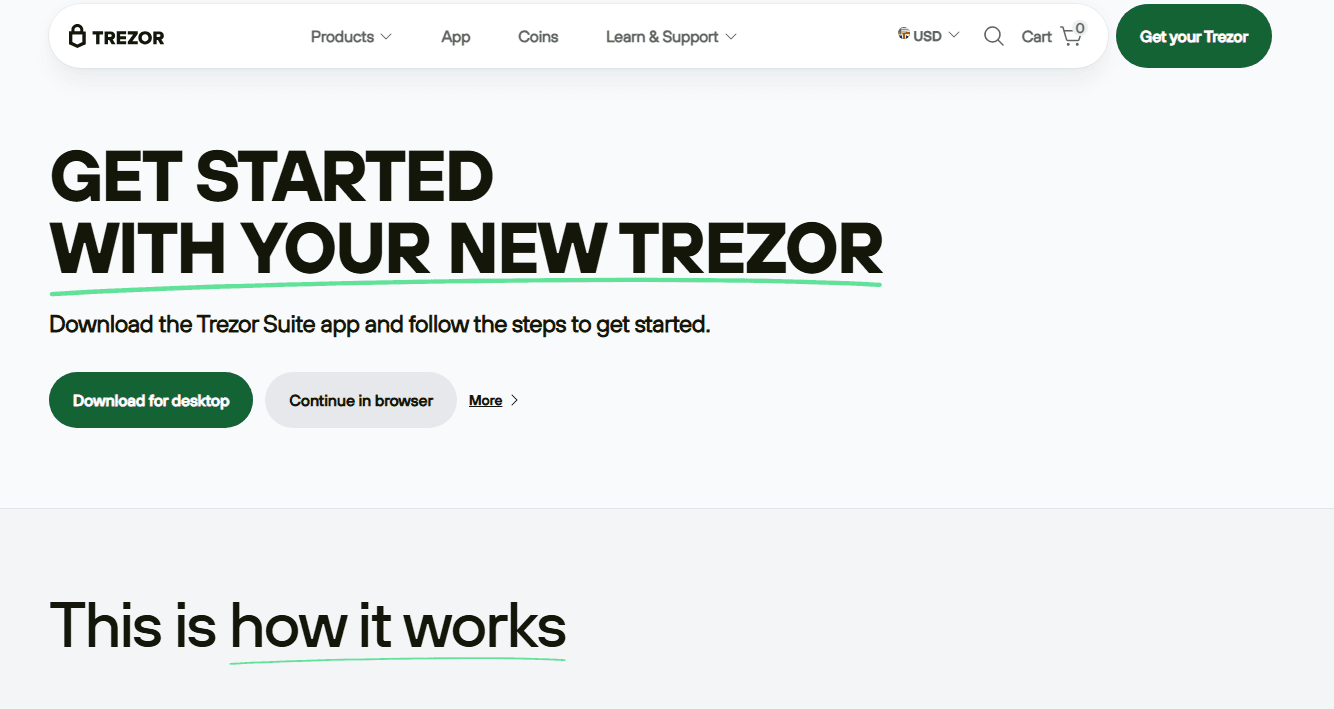
Trezor Suite is the official software for managing your Trezor wallet. It allows you to log in, view balances, send and receive cryptocurrency, and manage multiple accounts securely.
To begin login:
Open Trezor Suite on your computer or mobile device
Connect your Trezor hardware wallet
Select the option to access your existing wallet
Trezor Suite ensures that private keys remain offline while providing a user-friendly interface for account management and transaction verification.
Step 3: Entering Your PIN
A PIN code protects your Trezor wallet from unauthorized access. Key points for entering your PIN include:
Always enter the PIN directly on the Trezor device, not the computer
The device displays a randomized grid to prevent keyloggers from capturing your input
Choose a PIN that is memorable for you but difficult for others to guess
Entering the correct PIN unlocks your wallet and allows secure access to your accounts.
Step 4: Using the Recovery Seed
The recovery seed is a 12- or 24-word phrase generated during wallet setup. It is essential for restoring access if the device is lost, reset, or replaced.
To restore your wallet using the recovery seed:
Select the restore wallet option in Trezor Suite
Enter your recovery seed words in the correct order
Confirm the restoration on the device
This process ensures you can safely regain control of your funds even if the hardware device is compromised or unavailable.
Step 5: Adding and Managing Accounts
Once logged in, Trezor Suite allows users to add and manage multiple cryptocurrency accounts. Each account corresponds to a specific coin or token, helping organize and monitor your portfolio efficiently.
To add accounts:
Select the cryptocurrency you wish to manage
Create a new account or import an existing one
Verify account addresses directly on the Trezor device
Throughout this process, private keys remain offline, providing maximum security.
Step 6: Sending and Receiving Cryptocurrency
Logging in to your Trezor wallet enables secure transaction management:
Receiving Funds: Generate a receiving address in Trezor Suite and confirm it on the device. Always verify that the address matches what is displayed on the hardware wallet.
Sending Funds: Enter the recipient address and amount in Trezor Suite, then confirm the transaction on the device. Physical confirmation ensures that unauthorized transfers cannot occur.
Always double-check transaction details directly on the device to maintain maximum security.
Step 7: Security Best Practices During Login
Security should be your priority during every login session. Follow these best practices:
Never share your PIN or recovery seed with anyone
Always verify that you are using the official Trezor Suite interface
Avoid logging in on public or shared devices
Keep your Trezor device firmware updated
Physically verify transactions on the device before confirming
Adhering to these measures ensures that your cryptocurrency remains secure even if your computer or network is compromised.
Step 8: Troubleshooting Common Login Issues
Some users may experience login issues such as:
Device not recognized by Trezor Suite
Forgotten PIN or device reset
Problems restoring the wallet with a recovery seed
To resolve these issues:
Check that your device is properly connected and that software is up to date
Use your recovery seed to restore access if the device has been reset
Follow on-screen instructions carefully to prevent mistakes
Following these procedures allows safe resolution of most login issues without compromising wallet security.
Step 9: Understanding the Trezor Ecosystem
The Trezor ecosystem enhances wallet security and functionality. Key components include:
Trezor Suite: The main platform for secure login, account management, and transaction monitoring
Hardware Wallet Security: Offline storage of private keys to prevent online threats
Third-Party Integrations: Support for staking, decentralized finance, and other cryptocurrency applications
Understanding the ecosystem helps users fully leverage the security and convenience of their Trezor wallet.
Step 10: Long-Term Wallet Access and Maintenance
To maintain secure login and access over time, follow these practices:
Keep your firmware updated
Store your recovery seed securely offline
Regularly monitor account activity in Trezor Suite
Avoid logging in on untrusted or public devices
Consider additional security measures, such as passphrase protection
Consistent adherence to these steps ensures reliable, safe access to your cryptocurrency assets over time.
Conclusion
Trezor login is more than just entering a PIN; it is a critical step in safeguarding your cryptocurrency. By following secure login procedures, managing recovery seeds responsibly, and verifying transactions directly on the device, users can safely access their wallets while keeping private keys offline.
From launching Trezor Suite to adding accounts and confirming transactions, the Trezor login process provides a secure foundation for cryptocurrency management. Following best practices and understanding the Trezor ecosystem gives both beginners and experienced users confidence in managing their digital assets safely.
Secure login ensures full control over your cryptocurrency while minimizing the risk of theft, loss, or unauthorized access. By taking login security seriously, you lay the foundation for responsible and effective cryptocurrency management.