Introduction
Cryptocurrency has revolutionized finance, offering a decentralized alternative to traditional banking. However, with increased adoption comes the critical need for security. Accessing your digital assets safely is essential to prevent hacking, phishing, or accidental loss. The Trezor hardware wallet provides a highly secure way to manage cryptocurrency by keeping private keys offline, while login procedures ensure you can safely access your funds.
The Trezor login process is designed to be simple, secure, and reliable. Whether you are a beginner or an experienced user, understanding how to log in properly and manage your wallet is essential for safeguarding your assets. This guide provides a comprehensive overview of the Trezor login process, account management, and security best practices.
Why Secure Login Matters
Unlike online accounts, cryptocurrency wallets do not have centralized recovery methods. If your login credentials or recovery seed are compromised, your funds could be permanently lost. Trezor login emphasizes security at every step by requiring physical confirmation on the device for transactions and ensuring that private keys remain offline.
By following proper login procedures, users can:
Verify account authenticity
Protect funds from malware or phishing attacks
Ensure transactions are safe and confirmed by the device
A secure login is the first step in maintaining control over your cryptocurrency and minimizing the risk of unauthorized access.
Step 1: Preparing for Trezor Login
Before attempting to log in, ensure that:
Your Trezor device is connected to your computer or mobile device via USB or compatible interface
Trezor Suite or a supported wallet interface is installed and updated
Your recovery seed is stored safely offline in case you need to restore access
Proper preparation prevents common login errors and ensures a secure start to managing your assets.
Step 2: Opening Trezor Suite
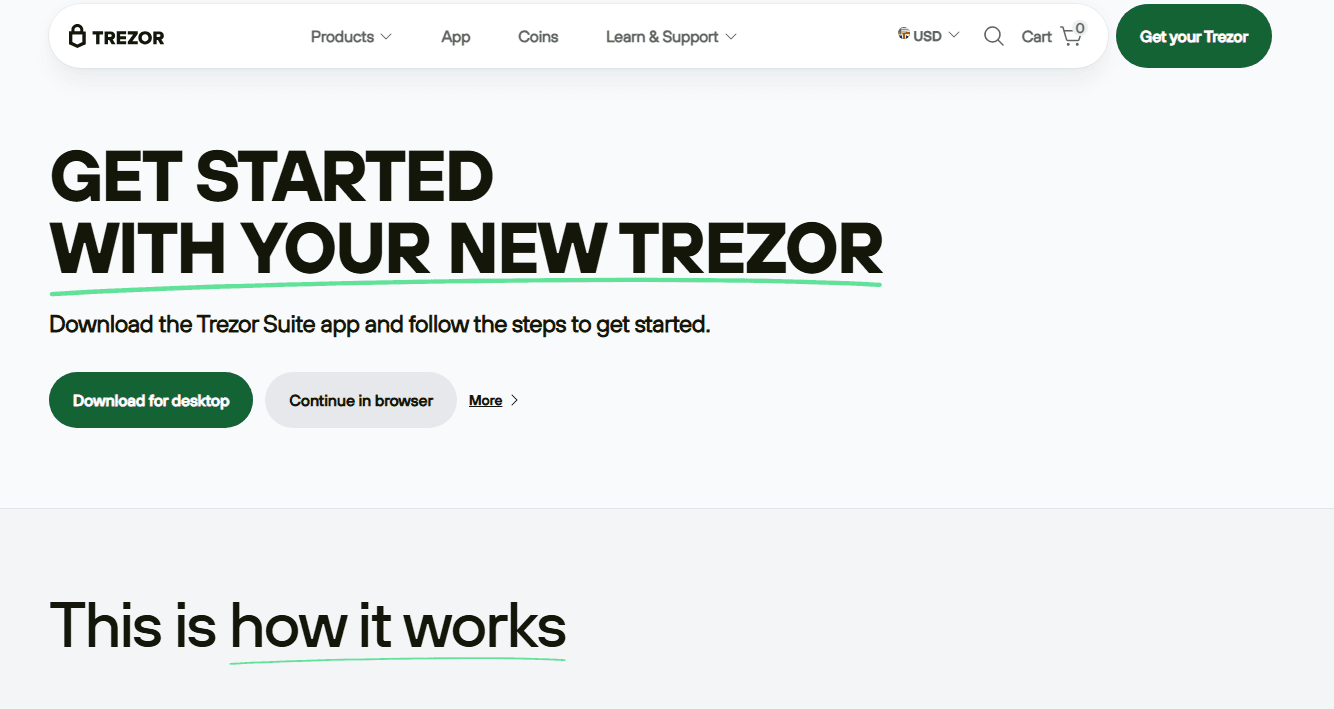
Trezor Suite is the official application used to manage your Trezor wallet. It provides a secure interface for logging in, viewing balances, sending and receiving cryptocurrencies, and managing multiple accounts.
To begin the login process:
Launch Trezor Suite on your computer or mobile device
Connect your Trezor device
Choose the option to access your existing wallet
Using Trezor Suite ensures that your private keys remain offline, while the interface provides full access to account management features.
Step 3: Entering Your PIN
The Trezor login process requires entering a PIN directly on the device. This PIN protects your wallet from unauthorized access. Key points to remember include:
The PIN is not entered on your computer; it is entered directly on the Trezor device
The device generates a randomized grid to prevent keyloggers from tracking your input
Choose a PIN that is memorable for you but difficult for others to guess
Entering the PIN correctly unlocks access to your wallet and allows you to proceed with viewing balances or conducting transactions.
Step 4: Using Your Recovery Seed for Login
If your device has been reset, lost, or replaced, the recovery seed is required to regain access to your wallet. The recovery seed is a 12- or 24-word phrase generated during wallet setup.
To restore your wallet during login:
Select the restore wallet option in Trezor Suite
Enter your recovery seed words in the correct order
Confirm the restoration on your device
This process ensures that even if your device is compromised, you can safely regain control of your cryptocurrency.
Step 5: Adding Cryptocurrency Accounts
After successfully logging in, you can manage multiple cryptocurrency accounts within Trezor Suite. Each account corresponds to a specific cryptocurrency, allowing you to organize and monitor your assets efficiently.
Steps for adding accounts:
Select the cryptocurrency you wish to manage
Create a new account or import an existing one
Verify account addresses directly on the Trezor device
Private keys remain offline, providing continuous protection even during login and account management.
Step 6: Sending and Receiving Cryptocurrency
Trezor login is not just about accessing your wallet; it is also about securely managing transactions.
Receiving Funds: Generate a receiving address in Trezor Suite and confirm it on the device. Always verify the address shown on your Trezor to prevent malware interference.
Sending Funds: Enter the recipient address and amount in Trezor Suite, then confirm the transaction on your device. Physical confirmation ensures that unauthorized transfers cannot occur.
Always verify addresses and transaction amounts directly on your Trezor device for maximum security.
Step 7: Security Best Practices During Login
Maintaining security during login is crucial to protect your cryptocurrency. Key practices include:
Never share your PIN or recovery seed. These credentials are critical for wallet security.
Verify login attempts. Ensure you are using the official Trezor Suite interface.
Use a secure device. Avoid logging in from public or shared computers.
Regularly update firmware. Firmware updates enhance security and login features.
Physically verify transactions. Always confirm operations directly on the Trezor device.
Following these best practices ensures your wallet remains protected even if your computer or network is compromised.
Step 8: Troubleshooting Login Issues
Common Trezor login issues include:
Device not recognized by Trezor Suite
Forgotten PIN or device reset
Issues restoring wallet with recovery seed
To address these issues:
Ensure the device is properly connected and Trezor Suite is updated
Use the recovery seed to restore access if the device has been reset
Follow on-screen prompts carefully to avoid mistakes
By following proper procedures, you can resolve most login issues safely without compromising wallet security.
Step 9: Understanding the Trezor Ecosystem
The Trezor ecosystem provides additional features that enhance security and usability during login and wallet management:
Trezor Suite: Centralized interface for secure login, account management, and transaction monitoring
Hardware Wallet Security: Private keys are stored offline, even during login
Integration with Third-Party Apps: Supports decentralized finance, staking, and other cryptocurrency applications
Understanding the ecosystem helps users maximize security and usability when accessing and managing accounts.
Step 10: Best Practices for Long-Term Wallet Access
Consistently following security measures ensures safe access to your wallet over time:
Keep your Trezor device firmware updated
Securely store your recovery seed offline
Regularly review account activity through Trezor Suite
Avoid logging in on untrusted or public devices
Consider additional layers of security, such as passphrase protection
By adhering to these practices, users can maintain reliable and secure access to their cryptocurrency.
Conclusion
Trezor login is more than just entering a PIN; it is a critical step in maintaining the security of your cryptocurrency assets. By following the proper login procedure, verifying transactions, and using best practices, users can access their wallet safely while keeping private keys offline.
From entering your PIN to restoring your wallet with a recovery seed, Trezor login ensures that you maintain full control over your digital assets. Understanding the process, combined with Trezor Suite and hardware wallet security, provides a robust and secure foundation for managing cryptocurrency effectively.
Following these guidelines gives users confidence and peace of mind, ensuring that funds remain secure while enabling full access to cryptocurrency accounts.